
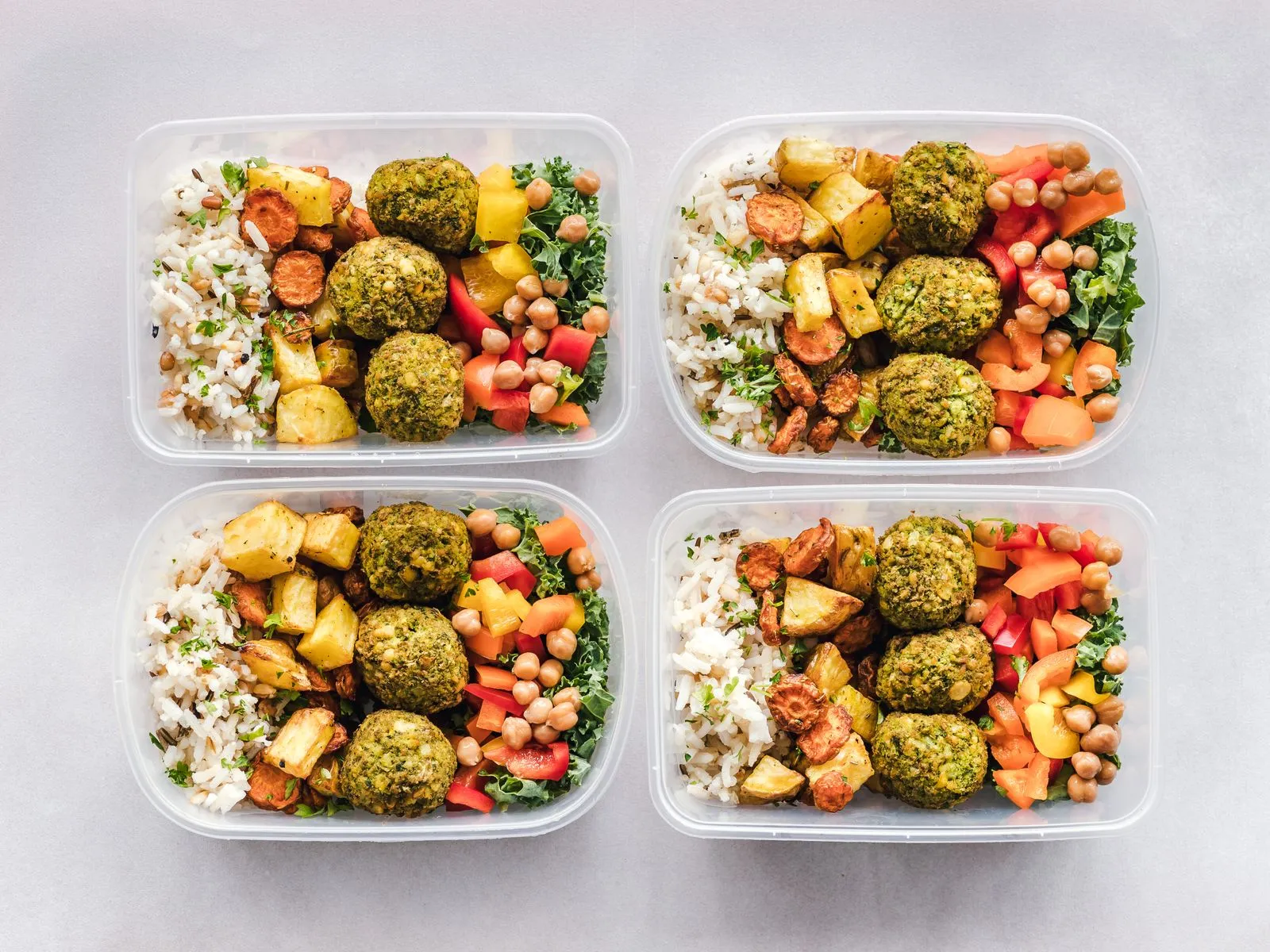
Weeknight meals feel more manageable when you make a few decisions before the busy part of the day. You don’t need a complicated menu or a full day of meal prep. Start by choosing a small set of meals, checking what you already have, and preparing a few useful ingredients in advance. A flexible plan can help you spend less time deciding what to cook and make it easier to serve meals that suit your household.
Choose Meals That Fit Your Week
Begin by looking at the week ahead. Note evenings when you have more time and nights when dinner needs to be especially quick. Plan simple options for the busiest days, such as leftovers, a one-pan meal, or a combination of ready-to-eat staples. Match the plan to your schedule rather than expecting every evening to go smoothly.
Pick a few meals your household already enjoys, then add variety with small changes. Use a familiar grain, protein, and vegetable combination in different ways, or choose recipes that share ingredients. Keep one flexible meal on the list, such as soup, a grain bowl, or eggs with vegetables, so you can use what needs to be eaten.
Make a Useful Grocery List
Check your pantry, refrigerator, and freezer before shopping. Write down the ingredients each planned meal needs, then cross off what you already have. Group the remaining items by area, such as produce, dairy, and pantry goods. A focused list helps you avoid duplicate purchases and makes it easier to shop efficiently.
Choose ingredients that can work in more than one meal. A bag of greens might serve as a side one night and go into a wrap the next day. Consider fresh, frozen, or shelf-stable options based on how soon you expect to use them. If your plans change often, avoid buying more delicate produce than you can reasonably use.
Prep Small Tasks Ahead
You don’t have to cook every meal in advance. Set aside a short block of time to wash produce, cook a grain, portion snacks, or prepare a sauce. These small tasks can reduce the number of steps between arriving home and sitting down to eat. Choose only the prep that will make your planned meals easier.
Store prepared ingredients safely in clean, covered containers and refrigerate foods that need refrigeration. Label containers if you might forget what they hold or when you prepared them. Keep raw ingredients separate from ready-to-eat foods, and follow food-safety guidance for storage and cooking. Prep should save time without making food handling harder.
Build in Room for Change
Treat your meal plan as a guide, not a strict schedule. Keep a backup dinner made from ingredients you can store, such as canned beans, pasta, frozen vegetables, or eggs. On an unexpectedly busy evening, use that option or serve planned leftovers instead of starting a more involved recipe.
At the end of the week, take a minute to notice what worked. Did a recipe take longer than expected? Did you have unused ingredients? Use those observations to adjust the next plan. Repeating reliable meals is useful, and a few practical changes can make your routine fit your time, preferences, and budget better.
A workable weeknight meal plan starts with realistic choices, a grocery list based on what you have, and a little targeted prep. Leave room for leftovers and last-minute changes so the plan supports your evenings instead of adding pressure. If you’d like help making meal planning fit your needs, consider speaking with a nutrition professional.